After a difficult couple of years for the global art market, interest from wealthy buyers is beginning to pick up again. Art Basel and UBS reported that global art sales rose by 6% in 2025 to $25 billion, following two consecutive years of decline. Business Insider also reported that JPMorgan Private Bank’s art-financing portfolio had grown by 90% over three years, with increased interest from clients looking to remain active in the art market while diversifying their sources of wealth.
Those figures are interesting, but they don’t tell the whole story.
The appeal of art to wealthy investors has never been solely about trying to buy something cheaply and sell it for more. Art occupies a rather unusual place within wealth management. A painting can be a financial asset, a collector’s piece, a cultural object and something that gives its owner genuine enjoyment.That combination is difficult to replicate elsewhere.
Art doesn’t follow the same rules as the stock market
For someone accustomed to traditional investments, the art market can take some getting used to. There is no daily closing price for a Picasso or Hockney. An artwork doesn’t pay a dividend and its value isn’t updated every few seconds on a trading platform. Prices emerge when works are offered for sale, and what someone is prepared to pay can depend on a surprisingly wide range of factors.
Rarity matters. So does provenance, condition, quality and the reputation of the artist. Collector sentiment can have a significant influence too.
Alexandra Levitt Reach, a senior lending specialist at JPMorgan Private Bank, told Business Insider that these factors make art valuations inherently more subjective than those found in public markets. That doesn’t make the market impossible to understand. It means that research tends to look different.
A famous name isn’t necessarily enough
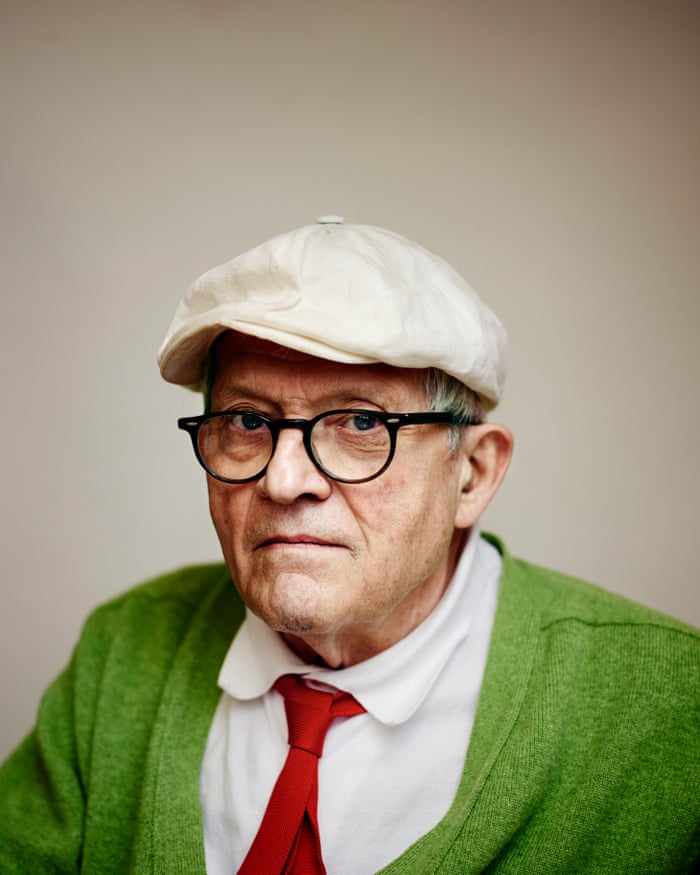
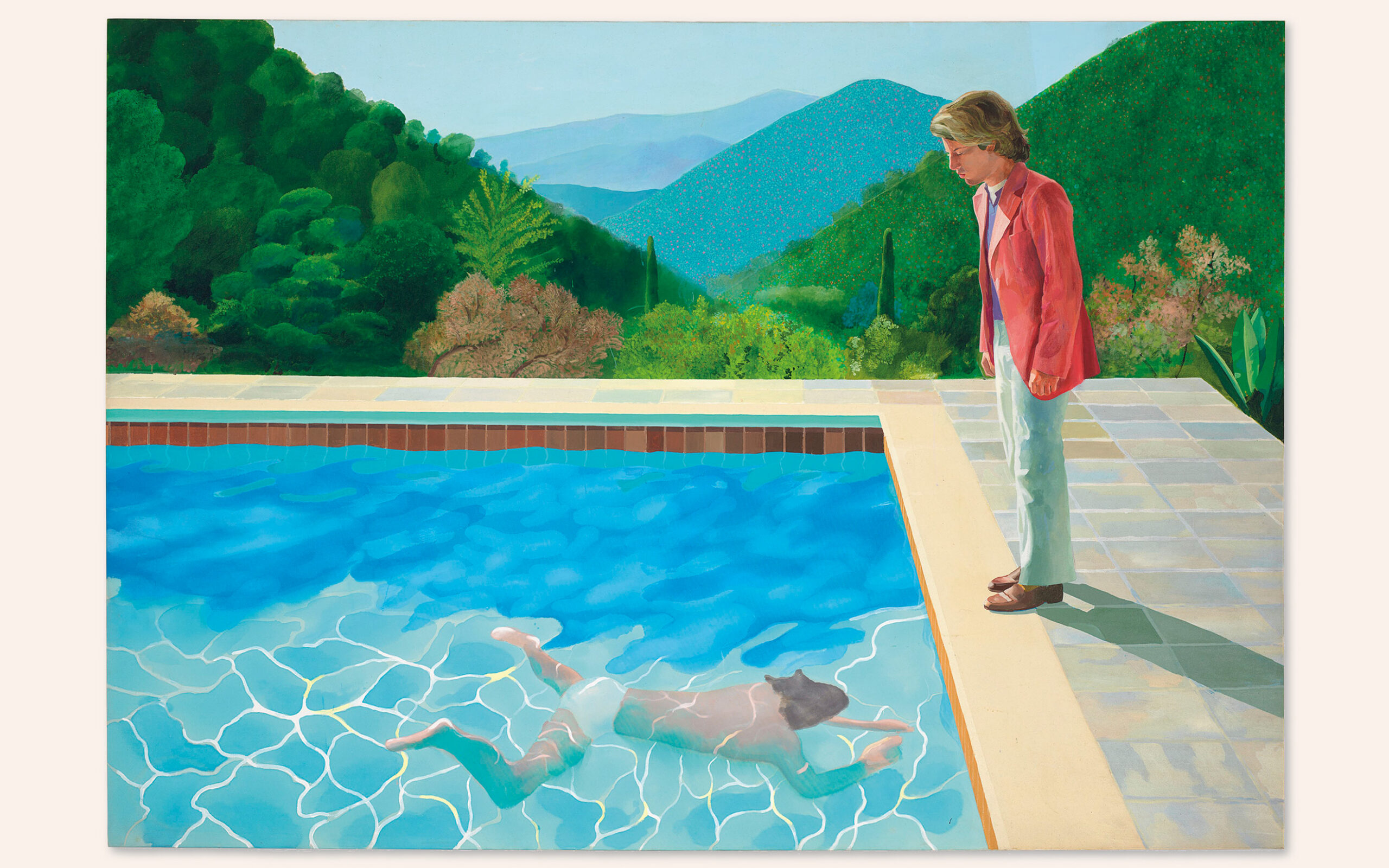
The rise in interest around David Hockney provides a useful example. Hockney’s reputation was firmly established long before his death in June 2026. His work is held by major institutions, his career spans more than six decades and his prints and paintings have an established collector base. His death has nevertheless brought renewed attention to his work.
That doesn’t mean every Hockney available on the market suddenly became more valuable. His body of work is broad, covering different periods, subjects and media, and individual works can perform very differently.
MyArtBroker’s research into Hockney’s print market demonstrates why the detail matters. The artist’s long printmaking career means there is a substantial secondary market, giving collectors access to historical transactions and comparisons between individual works.
For an investor, this kind of information can be far more useful than simply knowing that an artist is currently fashionable.
The secondary market tells an important story
One of the more interesting developments in the art world has been the increasing availability of information around the secondary market.
When an individual painting changes hands only occasionally, establishing a reliable price history can be difficult. Prints and editions can be different because multiple examples of the same work may come to market over time. Each sale creates another piece of information.
MyArtBroker points out that repeated transactions allow collectors to observe pricing patterns, demand and changes in market behaviour. The result is a part of the art market that can be analysed with considerably more data than was historically available.
Technology is playing a role here too. Auction results, comparable sales and market information are increasingly accessible to collectors who previously would have relied heavily on dealers or personal networks. That doesn’t make buying art a science. It does give buyers more information with which to make a decision.
The costs don’t end when the hammer falls
The purchase price is only one consideration for anyone buying art as an investment. Business Insider highlights the costs associated with storing, transporting and installing artworks, particularly where pieces are being acquired primarily as investments rather than displayed at home.
Insurance and conservation can also become relevant, depending on the work. These expenses are easy to overlook when an auction result provides the headline figure. A painting bought for £500,000 isn’t simply a £500,000 investment if substantial costs are incurred in owning and eventually selling it.
There is also the question of liquidity. A collector cannot necessarily decide to sell an artwork today and expect to find a buyer tomorrow. The artist, particular work, market conditions and chosen route to sale will all influence how quickly an asset can be realised.
Why art continues to attract investors
For all those considerations, there is a reason art continues to hold a place within the portfolios of wealthy individuals.It offers something beyond financial return.
A significant artwork can have cultural importance, scarcity and a history of its own. It can become part of a family collection and pass between generations. For collectors, there is also the enjoyment of owning something they genuinely appreciate.
That doesn’t remove the financial risks. As Business Insider’s reporting makes clear, art should not be treated as a guaranteed hedge against market volatility, and unlike shares or bonds, it doesn’t generate an ongoing income and the attraction lies elsewhere.
For an investor with the appropriate timeframe, knowledge and appetite for an illiquid asset, art can offer a different way of holding wealth. Ultimately the challenge is knowing what you’re buying. That means looking beyond the artist’s name and the latest auction headline. Provenance, condition, rarity, previous sales, market demand and ownership costs all deserve consideration.
The renewed interest in the art market suggests wealthy buyers are once again paying close attention. For those considering joining them, the most valuable investment may be the time spent understanding the market before making the purchase.
References
- The Guardian – David Hockney, pioneering British artist famed for his pools and portraits, dies aged 88
- This Is Money – Can David Hockney prints make you a mint? Artist’s death sparks revival of his work – here’s what investors need to know
- MyArtBroker – How To Invest In Art in 2026
- Business Insider – Art Investment: Wealthy Buyers, Paintings, Luxury Auctions and Investing