
Established 2013 Whisky Cask Collecting
Own a Piece of Scotch Whisky History
Start or grow your whisky cask collection with Unique Asset Acquisitions — full legal ownership, secure HMRC-bonded storage, and profits that are typically exempt from Capital Gains Tax.
- 100% outright cask ownership, backed by a Delivery Order
- Casks held in secure, HMRC-bonded warehousing
- Profits typically exempt from Capital Gains Tax*
- Purchased through an HMRC-registered wholesaler, not a broker
*See Important Information section for full caveats.
Industry Connections






Whisky Market at a Glance
Scotch whisky has grown from a niche collectible into a globally recognised luxury asset class. A snapshot of the wider market:
£5.6bn
Value of Scotch whisky exports in 2024
Scotch Whisky Association, 2025
+6.4%
Forecast annual growth (CAGR) of the global Scotch whisky market to 2032
Fortune Business Insights
+111%
Increase in rare whisky values between 2015 and 2025
Knight Frank Luxury Investment Index
$57.1bn
Projected value of the global Scotch whisky market by 2032
Fortune Business Insights
Rare whisky has outperformed nearly every other luxury collectible category over the past decade — see how it compares:
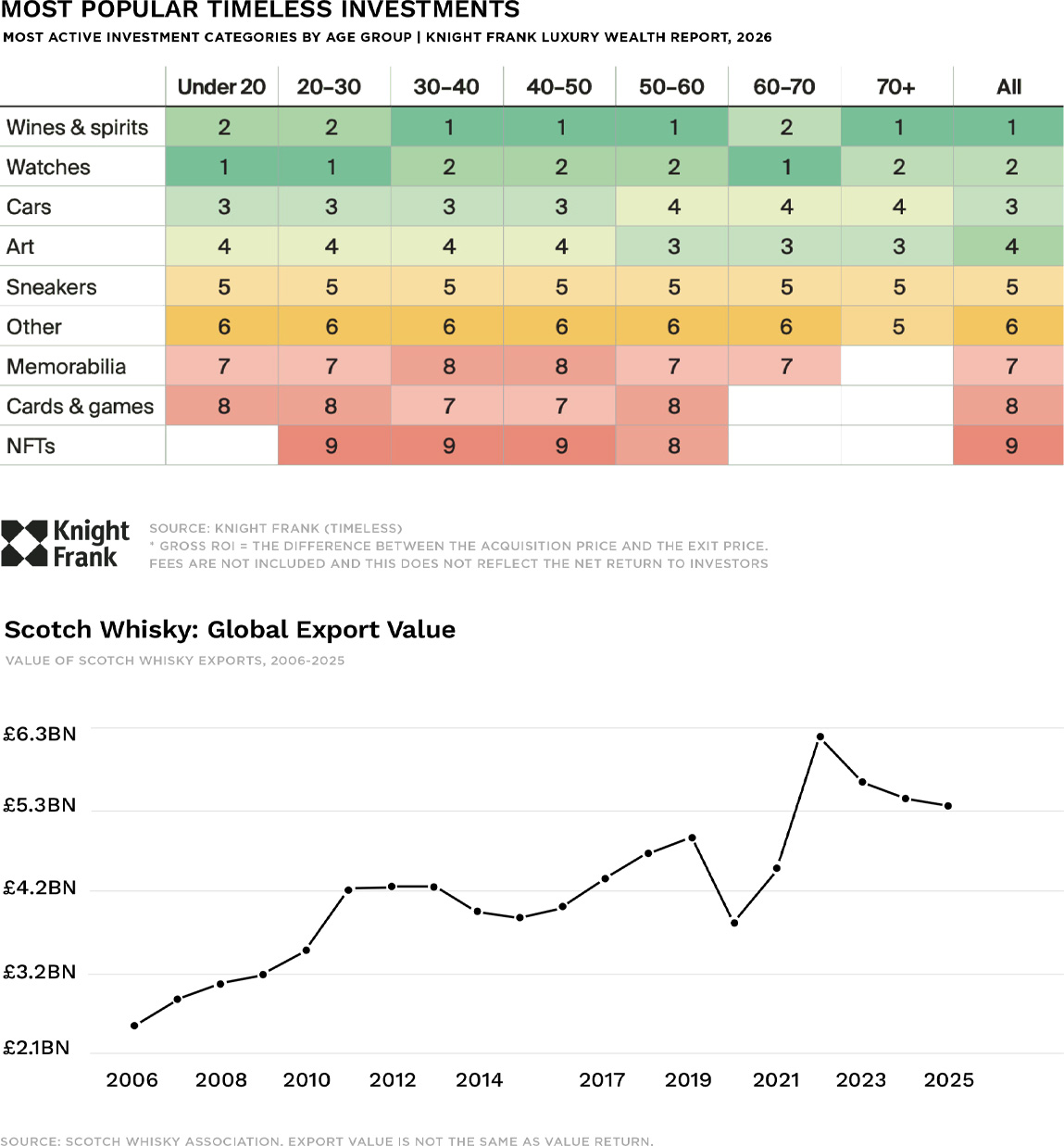
As with any collection, past performance is not a guarantee of future value, and we always recommend independent financial advice before building a collection.
Why Whisky Belongs in a Modern Collection
Scotch whisky has matured into one of the world’s most closely watched collectible asset classes, driven by rarity, provenance and sustained global demand. Unlike many tangible assets, whisky has a built-in value driver: time. As casks mature and rare releases are bottled or added to private collections, the pool of available stock naturally shrinks — creating growing scarcity around the whisky that remains.
Combined with strong international demand and a finite production process, these fundamentals have helped premium whisky become a sophisticated addition to a well-diversified collection, offering tangible ownership within a globally recognised market.
Why Choose Whisky Casks
Buying by the cask, rather than the bottle, changes the economics of building a whisky collection. Whisky continues to mature and develop in character for as long as it remains in cask — the moment it’s bottled, that maturation stops for good, and with it the natural driver of scarcity that supports long-term value.
Purchasing a cask also gives access to a scale of ownership that isn’t possible one bottle at a time, at a lower entry cost per litre than buying finished, bottled stock. And because a cask purchase comes with a Delivery Order — clear, warehouse-registered proof of ownership — you have complete title to your asset from day one.
Why Choose Unique Asset Acquisitions
Through our trusted network of partners, Unique Asset Acquisitions gives collectors access to carefully sourced Scotch whisky casks from some of Scotland’s most respected distilleries. Whisky has historically demonstrated strong long-term performance and, in some market conditions, has outperformed traditional assets such as property.
Profits from many whisky cask collections are exempt from Capital Gains Tax, offering an additional tax-efficient benefit where applicable. As tax treatment depends on individual circumstances and may change over time, we always recommend seeking independent financial advice before building your collection.
From your first enquiry through to acquisition and beyond, our team is on hand to guide you — with full transparency on ownership, storage and provenance at every step.
The Opportunity
Whisky casks feature on more collectors’ portfolios every year. Here’s why:
-
Tangible & Personally Owned
A cask is a real, physical asset registered in your name via a Delivery Order, not a line on a statement.
-
Professionally Stored
Your casks are held in secure, HMRC-bonded warehousing, with storage and insurance handled on your behalf.
-
Tax-Efficient
HMRC treats whisky casks as a wasting asset, so profits are typically exempt from Capital Gains Tax.*
-
HMRC-Regulated
We operate as a licensed HMRC Alcohol Wholesaler Registration Scheme (AWRS) wholesaler. AWRS number: [TBC — client to confirm; not yet published].
-
Flexible Ways to Realise Value
Sell, gift, or continue holding as your cask matures — the choice stays with you.
-
An Accessible Way to Start Collecting
Whisky cask collections can start from a modest outlay compared with many other tangible assets. [Minimum entry price — TBC, client to confirm]
*See Important Information section for full caveats.
Bonded Warehouse & Delivery Orders
What Is a Delivery Order?
A Delivery Order is the industry-standard document confirming outright ownership of a cask, issued directly by the bonded warehouse where your whisky is held. It’s the clearest form of proof that a cask genuinely belongs to you. If a supplier can’t provide one, it’s worth asking why.
Why It Matters
Without a Delivery Order and confirmation from the storage warehouse itself, there’s no reliable way to prove ownership — paperwork from the seller alone isn’t enough on its own.
HMRC Bonded Warehousing, Explained
All casks are held in HMRC-approved bonded warehouses in Scotland, where duty and VAT remain suspended for as long as the whisky stays in bond. These facilities operate under strict HMRC licensing (including WOWGR registration), with controlled temperature and humidity, restricted access and continuous security monitoring — all designed to protect your cask and preserve its condition as it matures.
Visit Your Casks in Our Bonded Warehouse in Scotland
At Unique Asset Acquisitions, we believe that owning whisky should be more than simply holding an asset. It should be an experience.
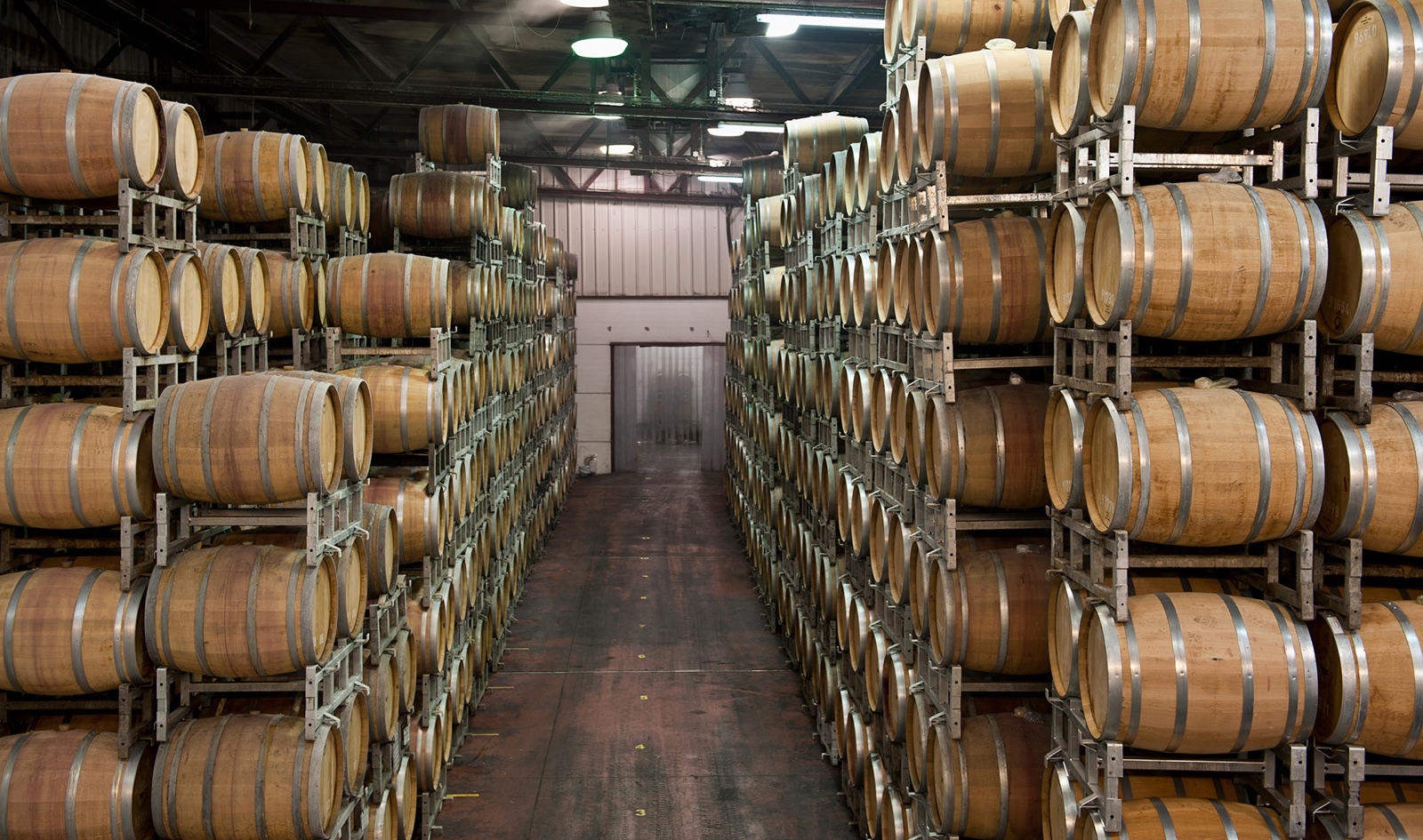
Our directors regularly accompany groups of clients to Royal Elizabeth Bond, our HMRC-bonded warehouse less than 7 miles from Edinburgh city centre. You can see your own casks in person and experience the environment in which your whisky is carefully maturing.
Royal Elizabeth Bond is a purpose-built maturation facility on the former Royal Navy victualling yard, and a highly secure former MoD site under full HMRC regulation. It’s Scotland’s largest fully-serviced multi-let maturation warehouse, with capacity to mature in excess of 1.1 million casks while operating at net zero emissions. It comprises forty 2,000sqm warehouse cells, each with racked capacity for more than 25,000 casks. An on-site filling and disgorging facility and empty cask storage mean your cask is cared for at every stage.
Warehouse visits are an important part of the UAA client experience. They let you see your tangible assets first-hand, gain a deeper understanding of the maturation process, and connect with the heritage and craftsmanship behind your cask.
Because when you own the cask, you should be able to see it, experience it and understand its journey.
Our Events
Unique Asset Acquisitions regularly meets collectors at the Royal Elizabeth Bond HMRC bonded warehouse, giving them the opportunity to experience first-hand how their whisky is stored and matured.
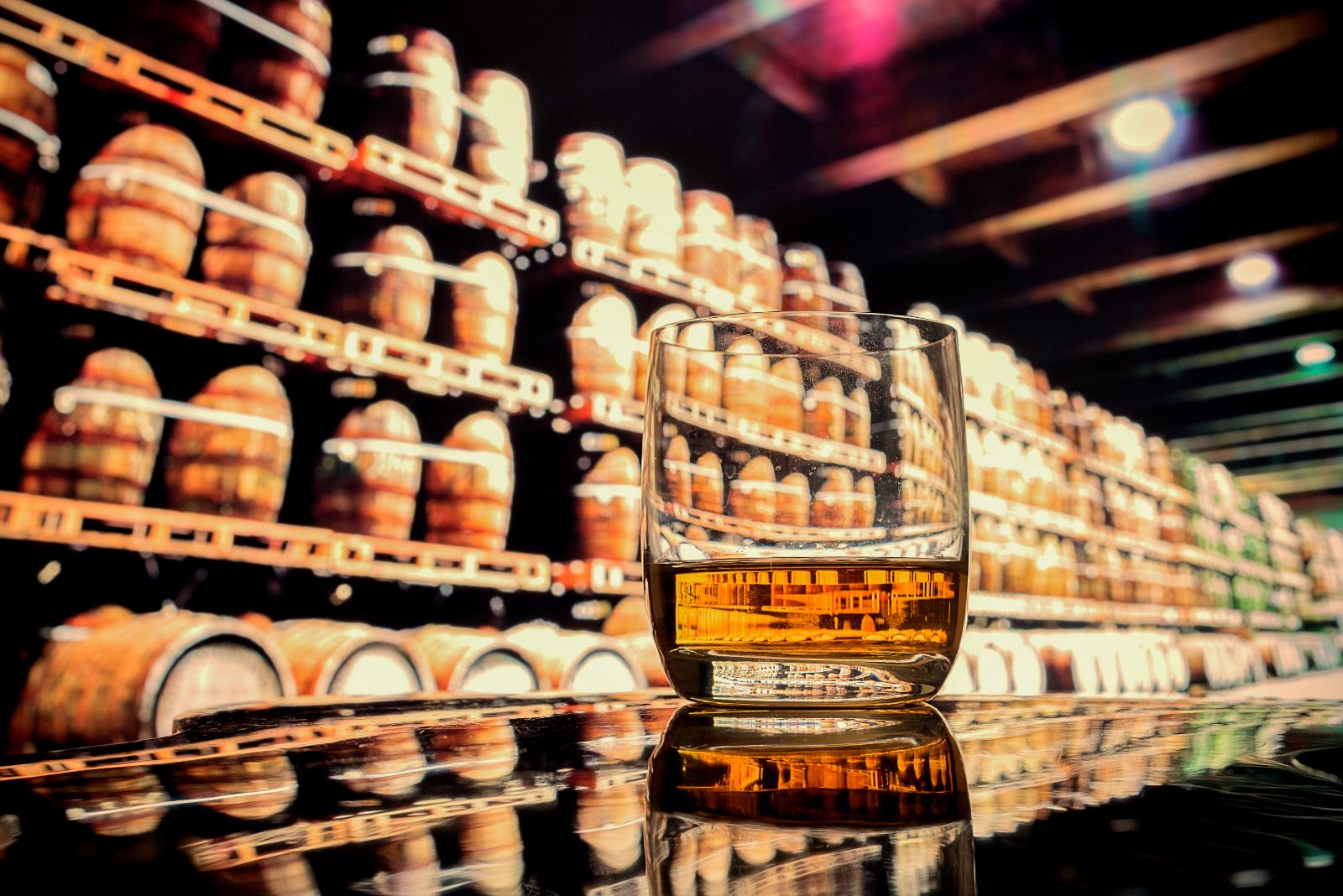
We believe transparency is incredibly important within the cask whisky sector, which is why we encourage both existing and prospective collectors to register their details for the opportunity to join us on one of our visits. It’s a fantastic day and a great opportunity to see and taste your casks, learn more about storage conditions and the maturation process, meet other collectors and share knowledge with our team.
Upcoming Events
Event Schedule
Discover our exciting events lined up for this year. Register your interest below and we’ll be in touch with the details.
Tour of Our Warehouse
Enjoy a guided tour of our bonded warehouse to understand how storage and maturation shape your whisky.
Tour of Our Warehouse
Enjoy a guided tour of our bonded warehouse to understand how storage and maturation shape your whisky.
Start Your Collection Today
Speak to our team for a no-obligation conversation.
Frequently Asked Questions
Answers to the questions we’re asked most often about collecting whisky casks with UAA, from storage and insurance to how an exit is typically arranged.
Scotch whisky casks must be stored in Scotland, in HMRC-approved bonded facilities that meet all applicable regulatory requirements.
While your cask is held in a regulated bonded warehouse, it’s kept in conditions suited to whisky maturation. The warehouse team monitors the cask, and re-gauging can be arranged where required, subject to applicable fees.
Yes. Collectors can arrange to view their cask at the distillery or bonded warehouse, subject to the relevant facility’s access arrangements.
We aim to arrange quarterly client visits to our bonded warehouse facilities, giving collectors the chance to see their cask and learn more about the maturation process.
Please note that access to some storage facilities may be restricted for operational, security or regulatory reasons.
Insurance is arranged under our company policy from the point of purchase, subject to the policy’s terms and conditions.
Cover remains in place while the cask is held within the agreed storage arrangements, until it’s sold, transferred, or otherwise removed from the facility or account.
Full details of the insurance cover and applicable terms are available on request.
Collection sizes vary considerably, and typically range from around £20,000 to £3 million, depending on the cask, distillery, age, provenance and other characteristics.
Most collectors’ purchases fall around the £50,000 mark, although individual opportunities can vary widely.
We generally recommend a minimum holding period of around seven years, with some collectors choosing to hold for ten years or longer.
The right holding period depends on the individual cask, market conditions, maturation profile and your own objectives.
As with any alternative asset, there’s no guarantee that a cask will increase in value over a particular period.
You retain full ownership of your cask and can instruct us at any time if your circumstances change and you’d like to explore an earlier sale.
Where an early exit is requested, we’ll discuss the available options and current market conditions with you. The ability to sell, the price achieved, and the timeframe required can all vary depending on demand and market conditions.
When you instruct us to explore a sale, we may consider a number of potential routes depending on the circumstances and characteristics of your cask: sale to another client through our client-to-client brokering service; sale through the wider market to an established cask broker, collector or trade buyer; potential purchase by Unique Asset Acquisitions, where appropriate and subject to our terms and conditions; sale through a specialist auction house, where suitable; or bottling and release to the retail market, where commercially appropriate.
The most appropriate route depends on the individual cask and prevailing market conditions. There’s no guarantee that a particular route will be available or that a specific price will be achieved.
Yes. Subject to the terms of your purchase and storage arrangements, you own your cask and are free to explore alternative routes for its sale.
If you’d like to sell through another broker or company, we’d recommend speaking to us first so we can provide the cask’s details, relevant documentation, and any applicable transfer requirements.
Where you choose to sell through us, our applicable fees and commissions are set out in our terms and conditions.
Yes. We regularly organise client meetings, events and whisky-tasting experiences, giving collectors the chance to meet our management team and other collectors.
We also aim to arrange quarterly visits to our bonded warehouse facilities, subject to availability and each facility’s access requirements.
A number of factors can influence the value of a whisky cask, including: year of production, distillery, cask type, age and maturation, OLA (Original Litres of Alcohol), RLA (Remaining Litres of Alcohol), and ABV (Alcohol by Volume) at the relevant point in maturation.
Other factors, including provenance, documentation, cask condition, market demand and broader whisky market conditions, may also influence value.
Whisky casks are an alternative asset and should be considered a long-term collection. The value of a cask can rise or fall, and past performance is not a reliable indicator of future results. There’s no guarantee that a collector will be able to sell a cask at a profit or recover their original outlay.
We’d always encourage anyone considering a whisky cask to weigh the risks carefully and seek independent financial, legal and tax advice before making a decision. Tax treatment depends on individual circumstances and may change over time.
One of the terms you’ll often hear in a whisky distillery is “the angels’ share.” As whisky matures in its cask, a small amount naturally evaporates through the wood and into the atmosphere.
This evaporation can be around 2% of the whisky each year, although the actual amount varies depending on factors such as the cask, warehouse conditions, and climate.
The whisky that remains in the cask becomes increasingly concentrated and develops its distinctive character as it matures—while the angels take their share!
OLA stands for Original Litres of Alcohol, while RLA stands for Regauged Litres of Alcohol.
OLA refers to the amount of pure alcohol, measured in litres, that was originally filled into the cask when the whisky was first placed into it.
RLA represents the amount of pure alcohol remaining in the cask after a regauge. A regauge is carried out to assess the cask’s current condition, contents and value, providing an up-to-date measurement of the whisky remaining.
A bonded warehouse is a warehouse approved and licensed by HMRC to store excise goods, such as whisky, without the duty and VAT becoming payable while the goods remain in storage.
Duty and VAT are generally only due when the goods are removed from the bonded warehouse for release into the UK market.
When your whisky cask is stored in, or transported between, HMRC-approved bonded warehouses, it is held and moved under duty suspension.
This means that alcohol duty is not payable while the cask remains in bond. The duty becomes payable when the spirit is removed from bond and released for consumption.
Duty suspension can therefore help defer the payment of alcohol duty until the whisky is ready to leave the bonded warehouse.
The best whisky cask investment depends on your individual investment goals, budget and intended investment timeframe.
Unique Asset Acquisitions sources casks from established distilleries with a strong market history and long-term potential. By carefully selecting casks with desirable characteristics and market demand, we aim to identify opportunities with the potential for future appreciation and attractive returns.*
*Past performance is not indicative of future results, and the value of whisky casks can go down as well as up.
Yes. Once your whisky cask reaches maturity, you can choose to have it bottled or have samples drawn to share as unique gifts with friends, family, colleagues or clients.

Start Your Whisky Collection Today
Ready to explore Scotch whisky cask ownership? Speak to our team for a no-obligation conversation about building your collection.
Important Information
Not Financial Advice
The information on this page is provided for general interest only and does not constitute financial, tax or investment advice. Unique Asset Acquisitions is not authorised or regulated by the Financial Conduct Authority (FCA), and nothing here should be treated as a personal recommendation. We’d always encourage you to seek independent financial advice before adding whisky to your collection.
Whisky as a Tangible Asset
Whisky casks are a physical asset you own outright, not a regulated financial product. Ownership carries different considerations to traditional assets such as stocks, shares or property, and decisions should be based on your own research and judgement, alongside independent advice where appropriate.
No Guarantee of Financial Returns
The value of whisky casks can go up as well as down, and depends on factors including market demand, rarity, age and condition. A portion of the spirit is naturally lost to evaporation over time (known as the “angel’s share”). Past performance of the whisky market is not a reliable indicator of future performance, and Unique Asset Acquisitions makes no guarantees regarding future value, profitability or resale.
Market Risks
Reselling a whisky cask depends on prevailing market conditions, and there’s no guarantee of the speed or price at which a sale can be achieved. Tax treatment, including Capital Gains Tax exemption, depends on individual circumstances, current HMRC rules, and may change over time — always seek independent, personalised advice.