

Established 2013 Fine Art Collecting
Own Original Art With Complete Clarity of Ownership
Start or grow your art collection with Unique Asset Acquisitions — full outright ownership, discreet private sales, and secure storage or delivery, entirely on your terms.
- Full outright ownership of every artwork you acquire
- Discreet, independent private sales tailored to your collecting interests
- Choose secure, insured storage, or take delivery for your home or office
- Guided by our specialist team from first enquiry through to acquisition and beyond
Industry Connections





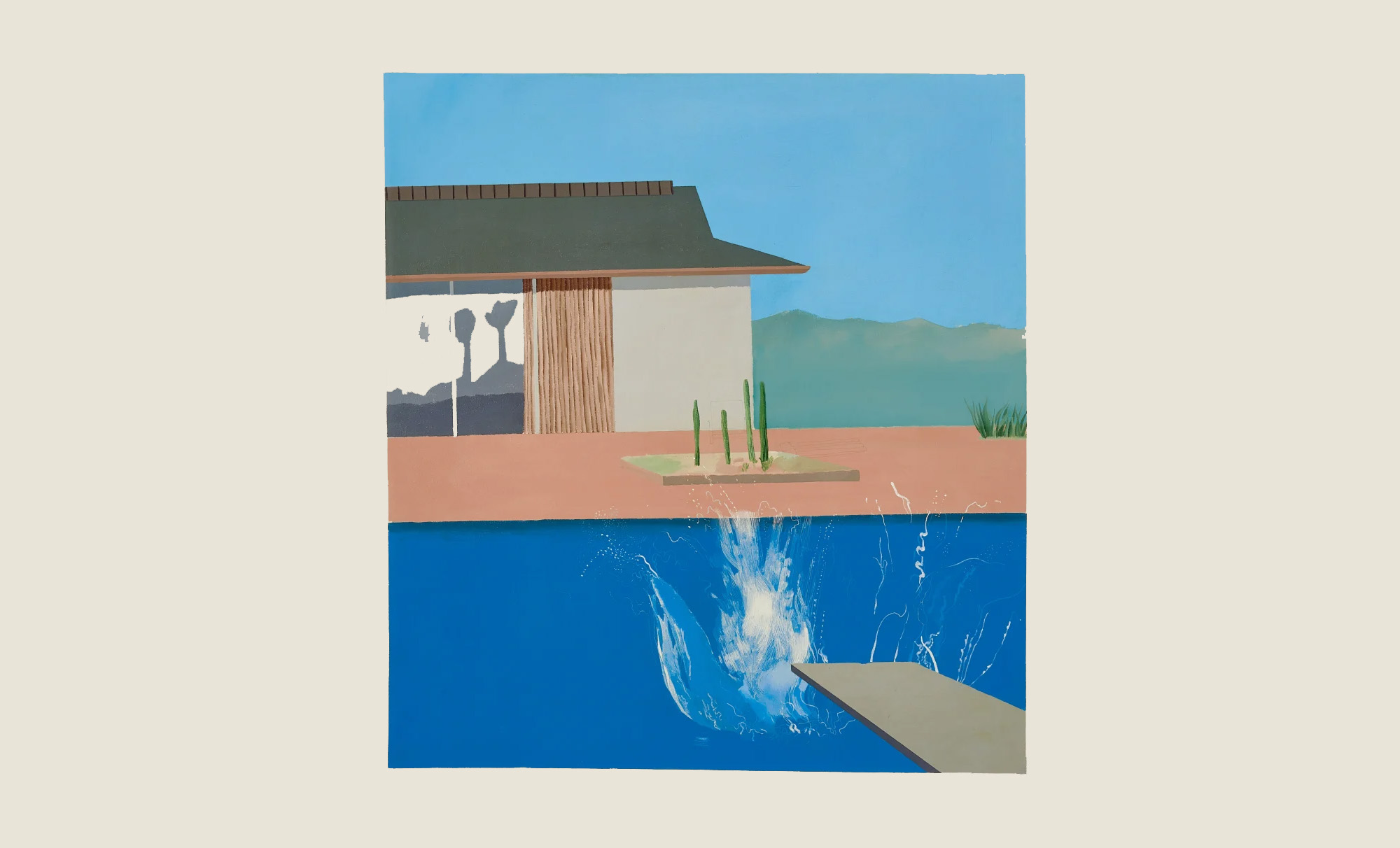
Independent analysis cited by Sotheby’s found that 80.8% of 52 resold Hockney works increased in value, with an average annualised return of 10.7% between 2003 and 2017.

Art Market at a Glance
The global art market continues to attract collectors seeking cultural and financial value. A snapshot of the wider market:
$59.6B
Global Art Market Valued at an Estimated US $59.6B in 2025
UBS ART MARKET REPORT
18%
The UK Accounted for 18% of Global Art Sales by Value in 2025
UBS ART MARKET REPORT
$20.7B
Public Auction Sales Increased 9% Y-O-Y to US $20.7B in 2025
UBS ART MARKET REPORT
41.5M
41.5M+ Art Transactions Worldwide During 2025
UBS ART MARKET REPORT
As with any collection, past performance is not a guarantee of future value, and we always recommend independent financial advice before building a collection.
Art as an Alternative Asset
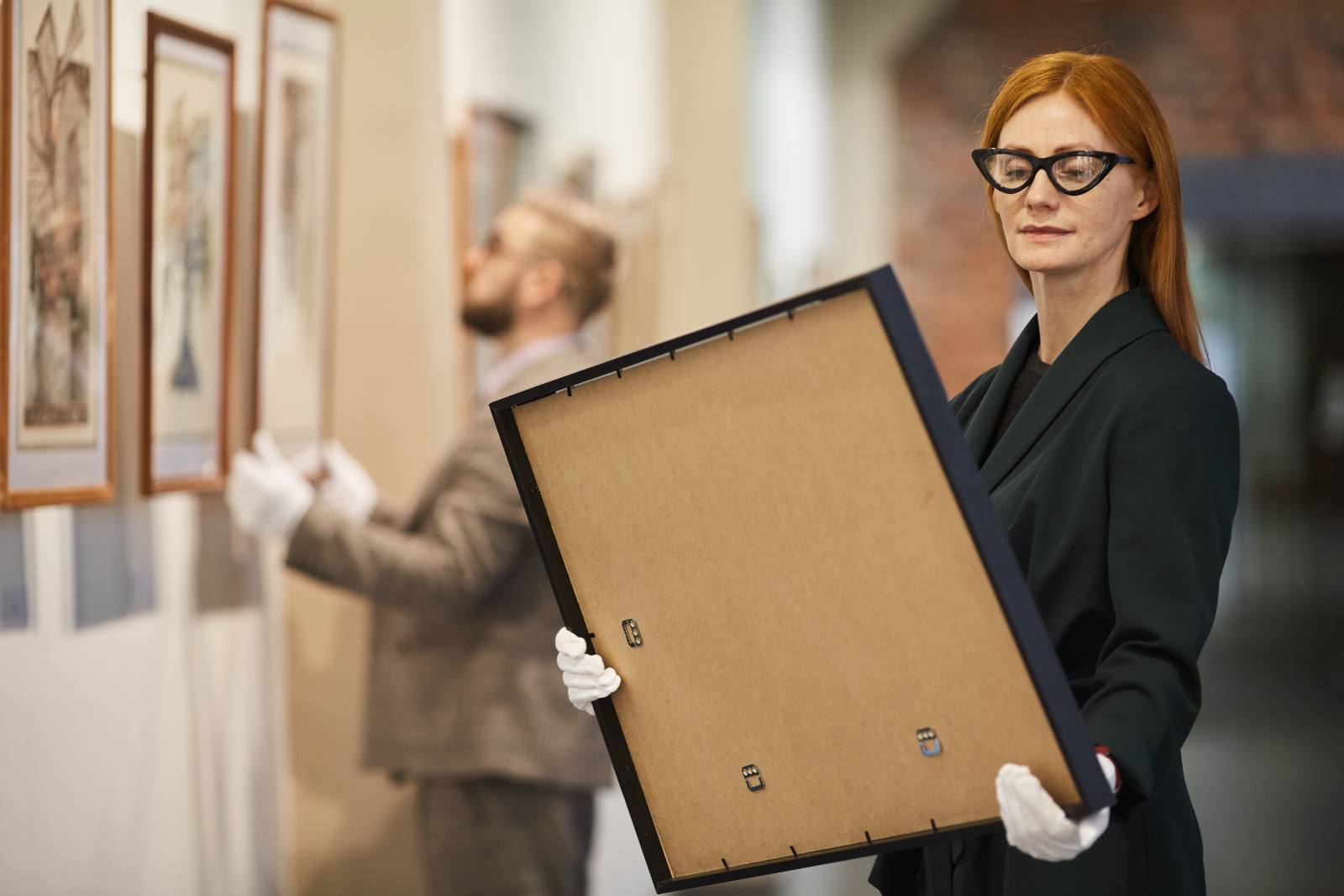
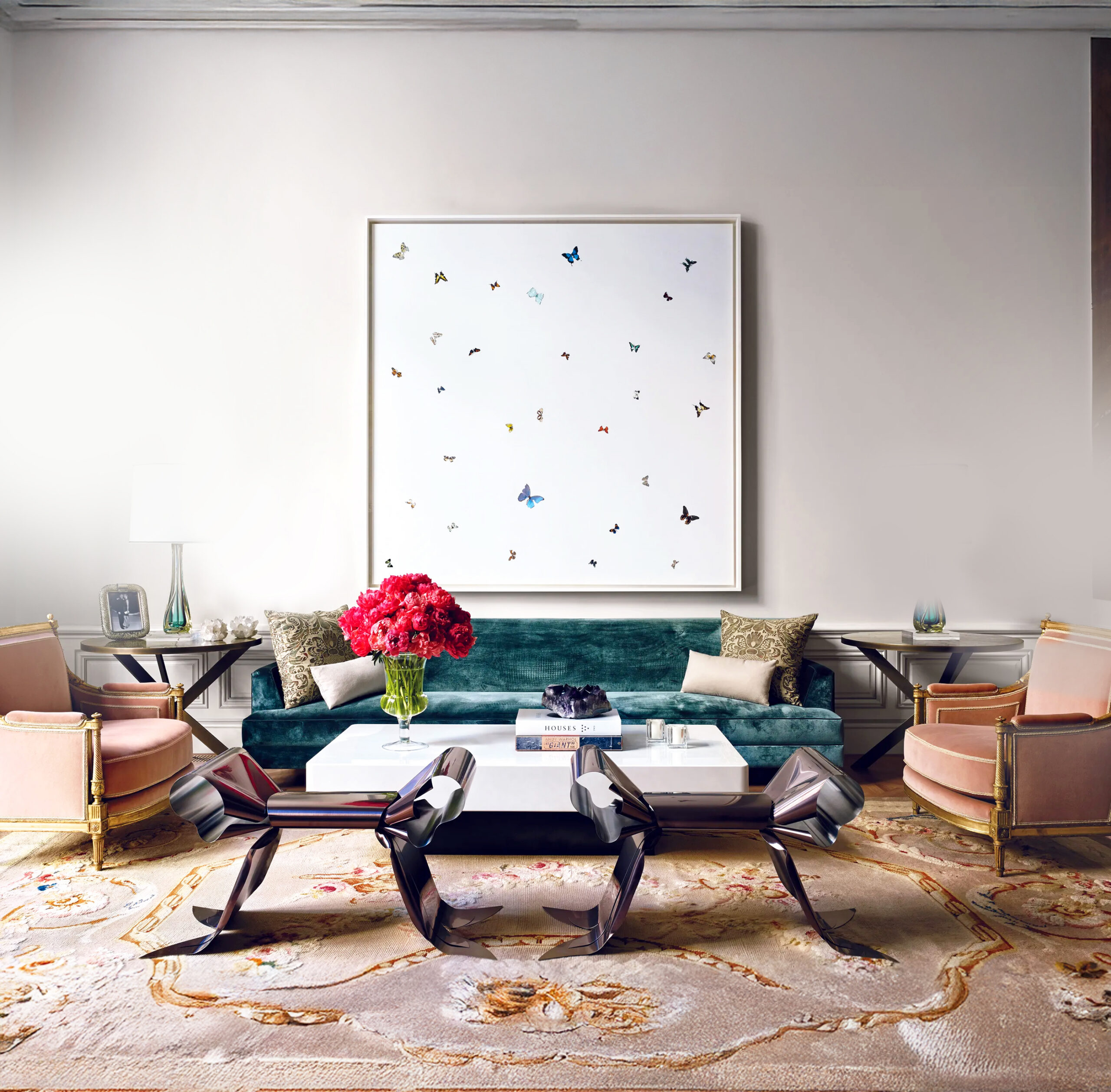
Art has long occupied a unique position within the world of wealth and collecting. It sits at the intersection of culture and capital, combining intellectual curiosity, personal expression, cultural significance and, in certain cases, financial potential.
For centuries, collectors have acquired artworks for a variety of reasons — passion, prestige, curiosity, cultural appreciation and the prospect of long-term value. Today, the conversation around art as an investment is considerably more sophisticated.
The era of simplistic claims that art will inevitably increase in value has passed. Experienced collectors and advisers increasingly approach the market with discipline, recognising that art can form part of a diversified collection or portfolio, but should not be viewed as a substitute for traditional financial assets such as equities, property or fixed-income assets.
Art is better understood as a passion asset: an asset that can combine cultural and personal significance with financial potential when acquired thoughtfully.
Ownership Matters
The most traditional approach to acquiring art is also the most straightforward: purchasing an artwork outright and becoming its owner.
Direct ownership gives the collector control over the asset. Depending on the work and its circumstances, the owner may choose to display it privately, place it into secure storage, lend it for exhibition or ultimately sell it.
At UAA, we believe clarity of ownership is fundamental. Clients should understand what they are acquiring, how the artwork is held, where it is stored when applicable, and what documentation supports their ownership.
Direct Access to Artists’ Studios
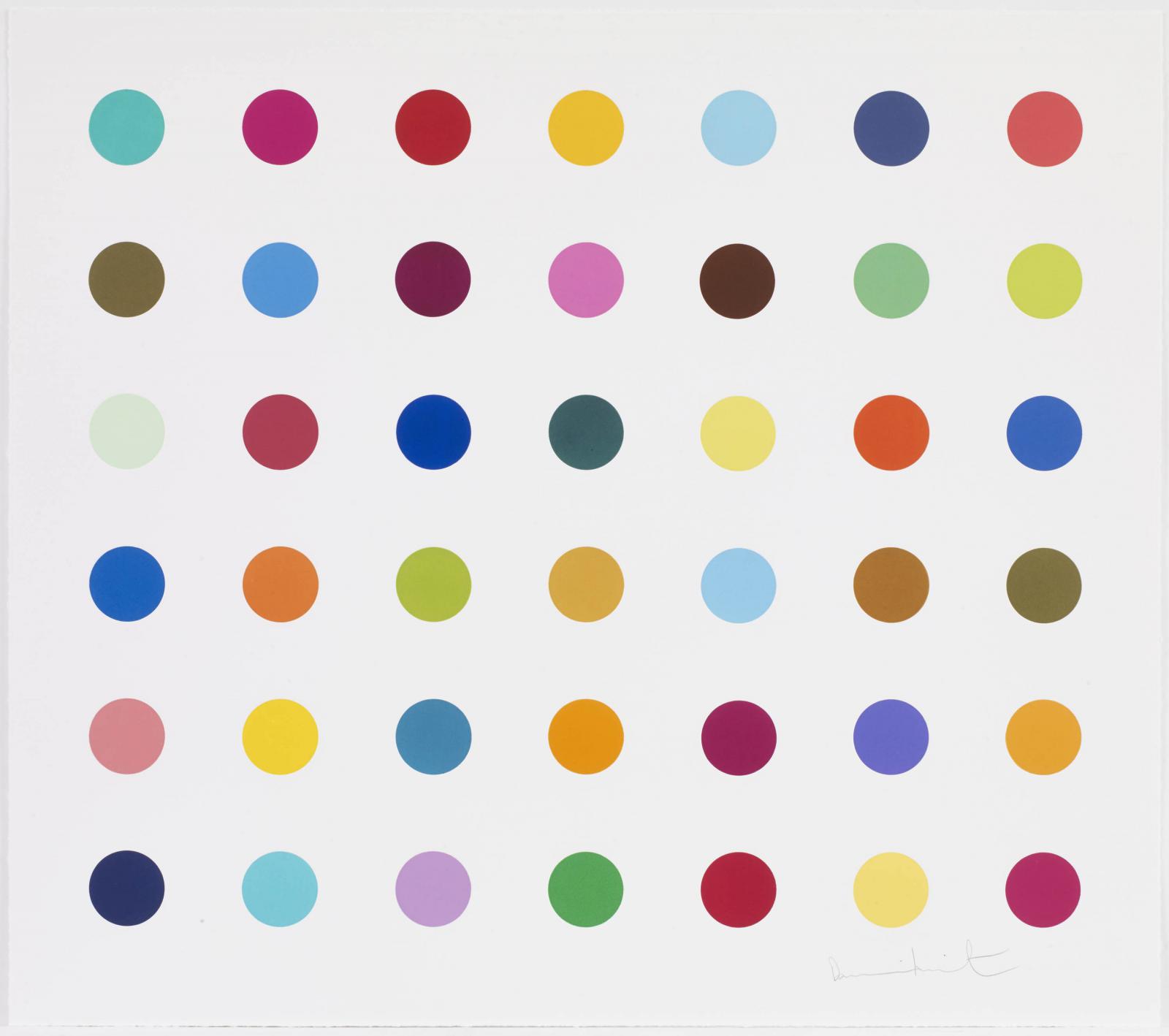
UAA has direct studio access and works closely with a number of artists and their studios. Banksy and Damien Hirst, just to name a few.
Where appropriate, we can arrange appointments with artists’ studios and their representatives, giving collectors the opportunity to engage directly with the team responsible for the work. This can provide an additional level of transparency and confidence when acquiring original artwork.
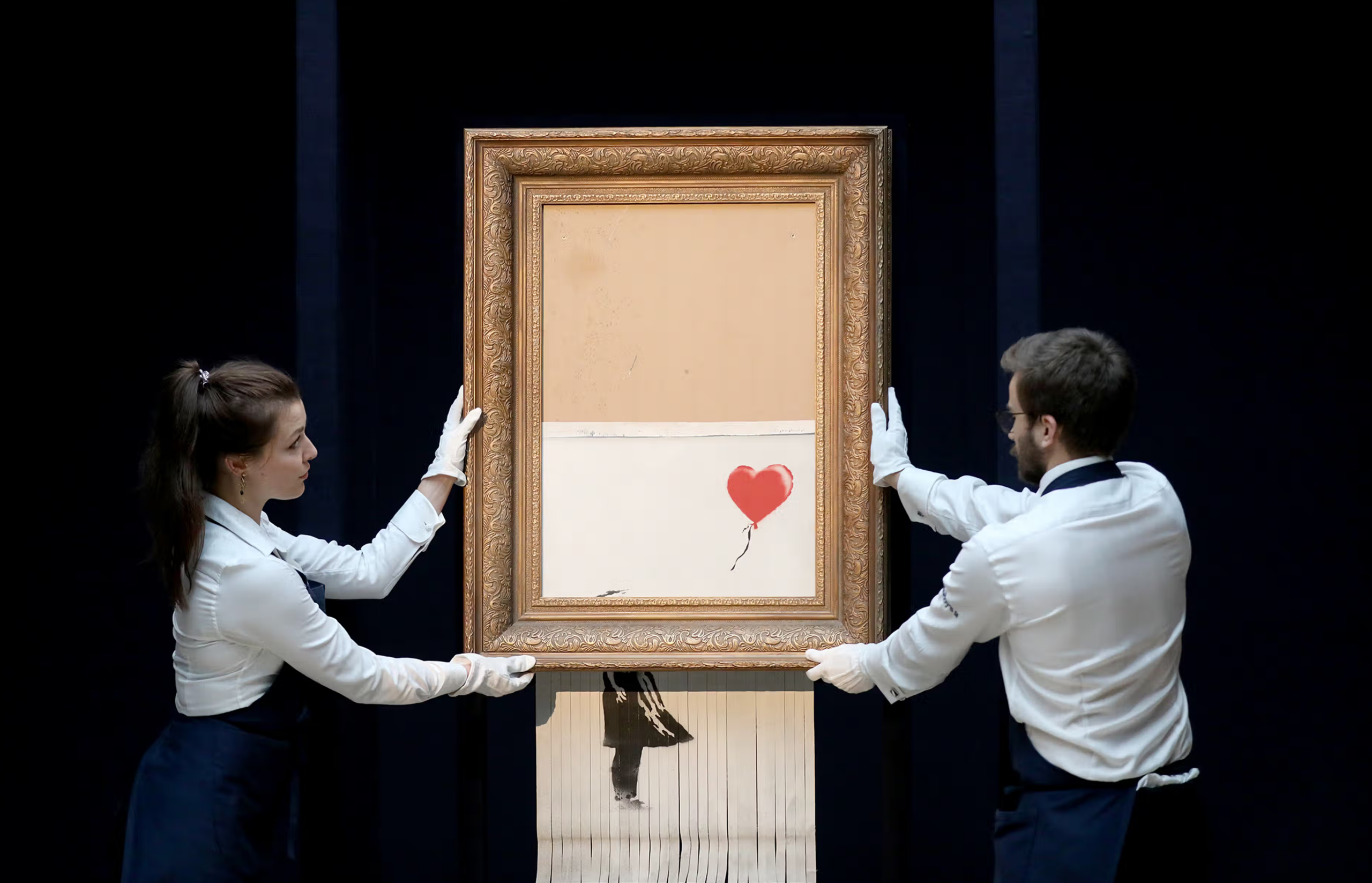
Display Your Painting on a Grand Stage
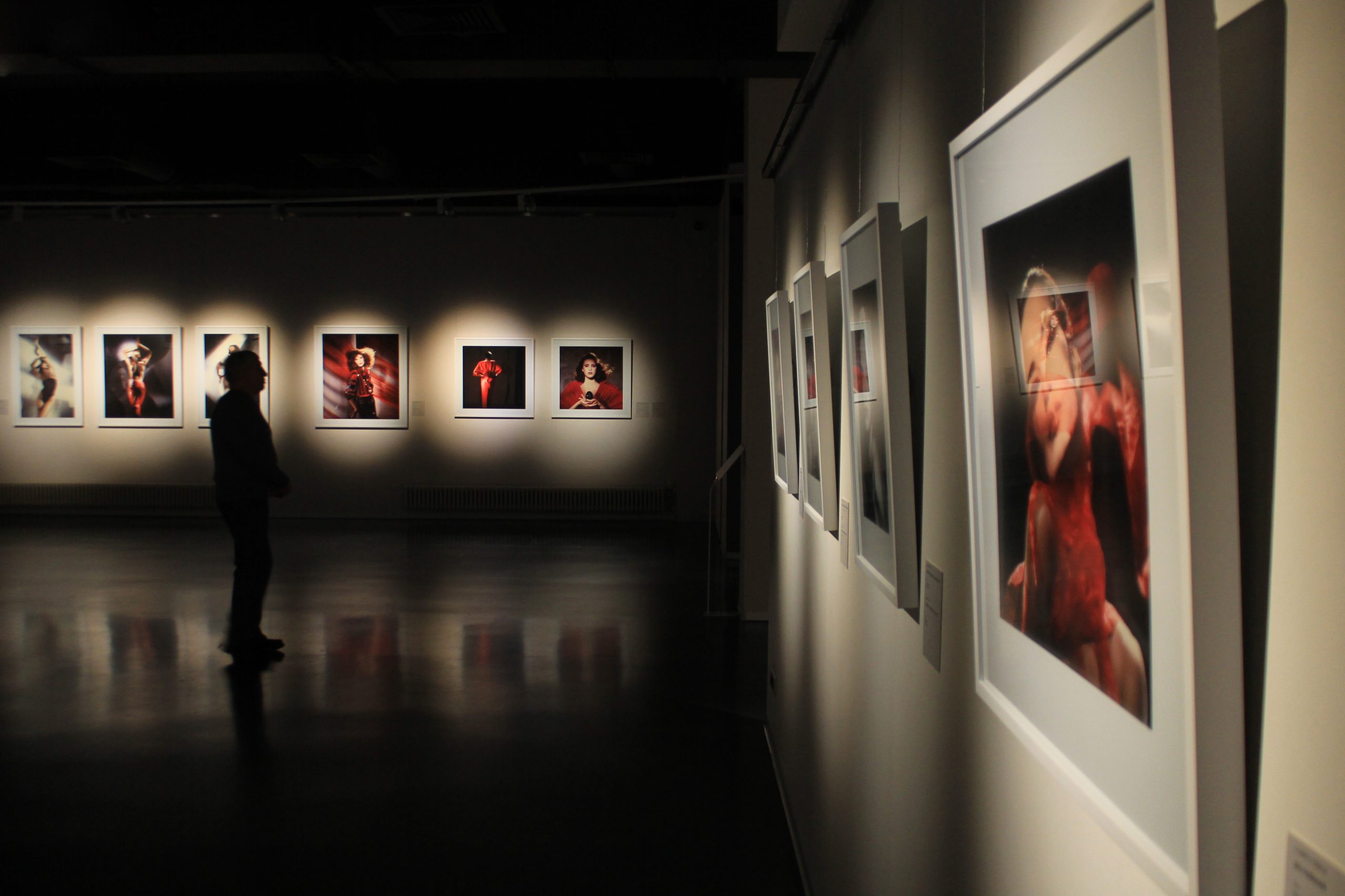
Our art consultants work with globally recognised museums and cultural institutions, creating opportunities to connect exceptional artworks with leading collectors and prestigious exhibition spaces.
-
Earn Royalties
Receive royalties generated through the museum exhibition of your artwork.
-
Global Exposure
Showcase your painting to an audience of more than 30,000 collectors and visitors who pass through participating museums each year.
-
Extended Marketing Reach
Benefit from exposure across the museum's promotional and marketing platforms, extending your artwork's visibility far beyond the exhibition itself.
-
Museum & Exhibition Provenance
Your painting gains documented museum and exhibition provenance, adding prestige, credibility and historical significance.
Your painting deserves more than a place in a collection. It deserves a place on the world stage.
Is Art a Good Investment?
Art is generally considered an alternative asset, sitting outside traditional financial instruments such as stocks, bonds and cash.
For some collectors, alternative assets can provide an additional dimension to a broader portfolio. However, art has characteristics that distinguish it from conventional assets. Most importantly, art does not generate an inherent income stream — any financial return depends primarily on the price achieved when the artwork is eventually sold, after taking into account associated costs.
This means that purchasing art requires consideration not only of the artwork itself, but also of its potential future market, liquidity, provenance, condition, demand and the wider reputation of the artist. There are no guarantees of appreciation, and individual works can rise or fall in value.
A Disciplined Approach to Acquisition
There is a useful comparison with property. When acquiring real estate, a considered buyer may examine comparable transactions, historical pricing, location, scarcity, demand and long-term desirability before making a decision. Art requires a similar level of diligence.
Factors Collectors May Consider
- Artist's exhibition history
- Institutional recognition
- Provenance
- Edition or production details
- Condition
- Auction and private-market history
- Scarcity
- Level of established demand
None of these factors can guarantee future performance. Together, however, they can help a collector make a more informed acquisition.
Why Choose Unique Asset Acquisitions
At UAA, our approach is centred on access, transparency and informed ownership. We facilitate discreet private sales and work with clients to identify opportunities that align with their collecting interests and objectives.
Ultimately, we believe the strongest art acquisitions are those where the collector understands both sides of the equation: the artwork as an object of cultural and personal value, and the artwork as an asset requiring careful consideration, ownership and stewardship.
Malca-Amit is a global logistics company specialising in the secure transportation, handling and storage of high-value goods. Its services include secure shipping, customs clearance, vaulting and storage, and specialised logistics for industries such as jewellery, precious metals, fine art and luxury goods.
Malca-Amit operates from office space within the same secure building as our storage partner, The Balthorne Group.
The Buying Process
From your first enquiry through to ongoing ownership, our team guides you through every stage of building your art collection.
-
Getting to Know You
Before recommending any acquisition, we take the time to understand your individual objectives. We will discuss:
- Your collecting objectives
- Collecting experience and preferred artists, movements or periods
- Budget and portfolio allocation
- Storage and display preferences
- Liquidity requirements
- Existing collection holdings, if applicable
-
Your Recommendation
Following our consultation, we present a carefully selected range of works that best suit your objectives, each supported by provenance documentation. Before proceeding, you will receive:
- A personalised acquisition proposal
- Full details of the artwork
- Provenance and condition documentation, where applicable
- Purchase agreement and Terms & Conditions
- Invoice and settlement instructions
- AML/KYC requirements in accordance with UK regulations [AMP registration reference — TBC]
-
Completion & Ownership
Once payment has been received and compliance checks completed, you will receive:
- Certificate of Acquisition
- Certificate of Ownership
- Provenance documentation
- High-resolution photographs of your artwork
- Storage certificate, if held in secure storage
- Comprehensive collection documentation
- Presentation folder containing all original paperwork
-
Ongoing Client Support
Our relationship with clients extends well beyond the initial purchase. As a client, you will receive ongoing support throughout your ownership, including:
- Market updates and industry news
- Access to our specialists whenever required
- Guidance on adding to your collection
- Advice on future opportunities
Start Your Collection Today
Speak to our team for a no-obligation conversation.
Frequently Asked Questions
There is no one-size-fits-all approach to allocating wealth to art and collectibles. However, Deloitte estimates that Ultra-High-Net-Worth Individuals (UHNWIs) hold around 5% of their wealth in art and collectibles.
Interestingly, allocations tend to be higher among those more closely involved in wealth planning and the art market. Deloitte reports average allocations of 10.3% among wealth managers, 10.9% among private banks, 8.8% among family offices, 12.9% among passionate collectors, and 9.7% among next-generation collectors. These figures suggest that, while 5% provides a useful general benchmark, allocations approaching 10% or more are not uncommon among experienced collectors and those involved in managing significant private wealth.
Ultimately, the appropriate allocation will depend on your individual circumstances, objectives, appetite for risk and overall portfolio diversification.
The suggested starting price for investment-grade artwork is £25,000.
There is no fixed minimum holding period. As you own the artwork outright, you have the flexibility to sell it at any time However, art is generally considered a longer-term asset, and we typically recommend a holding period of at least 5-7years to allow sufficient time for the work and wider market to develop.
The appropriate holding period will ultimately depend on the individual artwork, market conditions and your personal objectives.
We primarily operate as art advisors and consignment specialists, helping clients position and sell their artwork through the most appropriate channels. In certain circumstances, where commercially appropriate, a direct purchase may also be considered by separate agreement.
Our specialists will assess the artwork and advise on the most suitable approach based on the individual work, current market conditions and your objectives.
No. As with any asset, returns cannot be guaranteed, and past performance should not be considered an indication of future results.
The value of art can rise or fall over time, and any potential return will depend on factors including the individual artwork, the artist’s market, wider market conditions and the timing of any future sale.

Start Your Art Collection Today
Ready to explore original art ownership? Speak to our team for a no-obligation conversation about building your collection.
Important Information
Not Financial Advice
The information on this page is provided for general interest only and does not constitute financial, tax or investment advice. Unique Asset Acquisitions is not authorised or regulated by the Financial Conduct Authority (FCA), and nothing here should be treated as a personal recommendation. We’d always encourage you to seek independent financial advice before adding art to your collection.
Art as a Passion Asset
Art is a physical asset you own outright, not a regulated financial product. It combines cultural and personal significance with financial potential, and ownership carries different considerations to traditional assets such as stocks, shares or property. Decisions should be based on your own research and judgement, alongside independent advice where appropriate.
No Guarantee of Financial Returns
The value of art can go up as well as down, and depends on factors including artist reputation, rarity, provenance, condition and collector demand. Past performance of the art market is not a reliable indicator of future performance, and Unique Asset Acquisitions makes no guarantees regarding future value, profitability or resale.
Market Risks & Tax Treatment
Reselling an artwork depends on prevailing market conditions, and there’s no guarantee of the speed or price at which a sale can be achieved. Unlike whisky casks, art does not benefit from a wasting-asset Capital Gains Tax exemption — Capital Gains Tax generally applies where a personal possession, including art, is sold for a profit above the prevailing HMRC threshold. Tax treatment depends on individual circumstances, current HMRC rules, and may change over time — always seek independent, personalised advice.