
Whisky investment can sound complicated when you first come across it. There are bottles, casks, distilleries, maturation periods, provenance, auctions and secondary markets to understand, all before you have even thought about what might make one whisky more desirable than another.
The good news is that you don’t need to be a whisky expert to understand the basics. At its simplest, whisky investment involves buying whisky with the intention of holding it as its value potentially develops over time. That might mean buying a rare bottle that is already mature and collectible, or purchasing a cask and holding it while the whisky continues to mature.
Neither approach is risk-free, and the market is considerably more specialist than buying shares or funds. For anyone new to the subject, understanding the difference between the opportunities is a good place to start.
Bottles or casks?
This is one of the first decisions a prospective investor will encounter.
Rare bottles are often already mature products with an established collector market. Their value can be influenced by the distillery, age, rarity, condition, provenance and demand from collectors. Limited editions and discontinued expressions can be particularly sought after because there is a finite supply available.
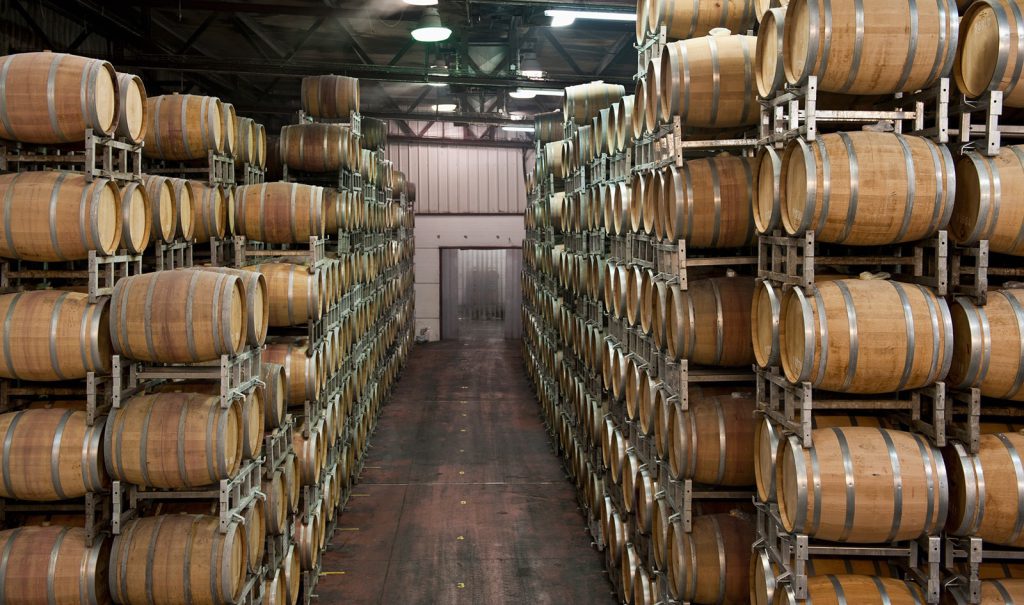
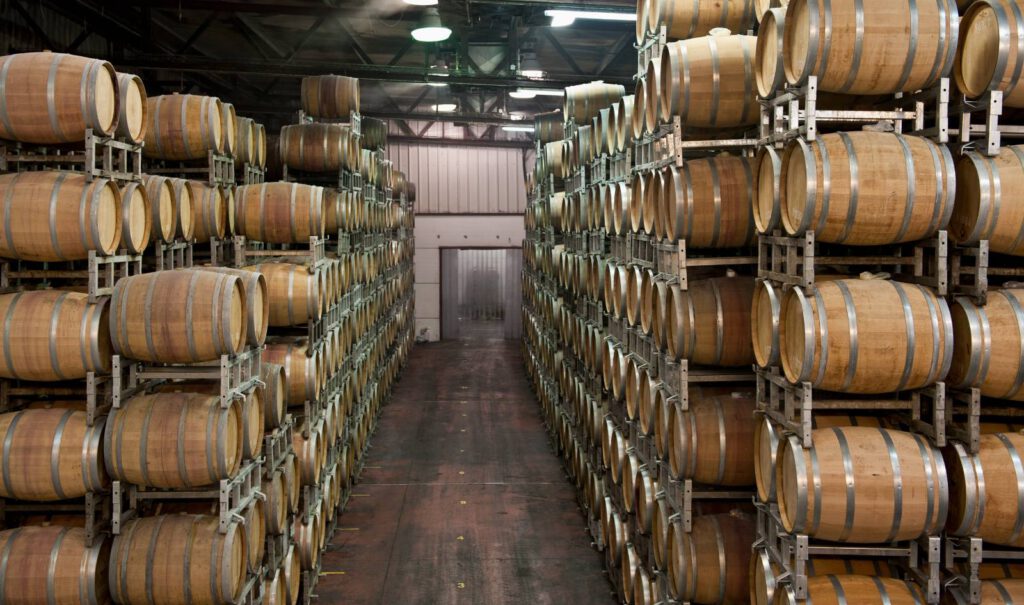
Casks work differently. When you buy a whisky cask, you are buying the liquid before it has reached its final bottled form. The whisky can continue to mature in the cask, potentially changing its character and value over time. However, the costs and practical considerations are different too. Storage, insurance, bottling and eventually finding a buyer all need to be taken into account.
The distinction matters because “whisky investment” isn’t one single market. A rare bottle and a young cask can have completely different investment characteristics.
So what actually makes whisky valuable?
Age is one factor. Older whisky can be scarce because it takes considerable time and investment to produce. But older does not automatically mean better or more valuable. The distillery, quality, reputation and demand for a particular expression all matter.
How rare it is is important too. If there are only a limited number of bottles available, and collectors actively want them, competition between buyers can support prices.
Then there is provenance. Knowing where a bottle or cask came from, who owns it and whether its history can be properly documented is particularly important in a specialist market.
This is where whisky differs from the image of simply buying an old bottle and putting it on a shelf. The details matter.
Don’t believe everything you see about returns
The whisky market has produced some eye-catching figures over the years, which is part of the reason it has attracted attention from investors looking beyond traditional assets.
Luxury London reports that rare whisky experienced substantial growth over the past decade, while also pointing out that the market subsequently experienced a significant correction from its 2022 peak. The article argues that this volatility is an important part of understanding whisky as a developing alternative asset.
That is worth keeping in mind when researching the market.
A graph showing impressive historic returns can be interesting, but it cannot tell you what will happen to a particular bottle or cask you are considering buying. The whisky market is made up of individual assets, and their values can behave very differently. Anyone promising guaranteed returns should therefore be treated with considerable caution.
Due diligence isn’t optional
For a newcomer, this is probably the most important part of whisky investing. The UK Investor Magazine’s guide to whisky investment highlights several checks that prospective investors should make before committing money. These include establishing proof of ownership, checking documentation, understanding where the whisky is stored and being satisfied with the transparency of the people offering the investment.
That may sound obvious, but the excitement surrounding a rare whisky can make it surprisingly easy to focus on the potential upside rather than the asset itself.
A useful starting point is to ask some straightforward questions.
- What exactly am I buying?
- Who legally owns it?
- Where is it stored?
- Can I see the relevant documentation?
- What fees will I pay?
- How would I eventually sell it?
- And perhaps most importantly: who am I buying it from?
A reputable provider should be comfortable answering these questions. The UK Investor Magazine article also recommends considering where an investment opportunity originated and being particularly cautious about unsolicited approaches from unknown firms or individuals.
Think like an investor, not just a whisky lover
There is nothing wrong with having a passion for whisky. In fact, the enjoyment of the asset is part of what makes this market different from many traditional investments.
But enthusiasm can work both ways.
If you love a particular distillery, it can be tempting to assume that everyone else will value its whisky in the same way. An investment decision needs to be based on more than personal preference.
It is also worth considering how whisky fits alongside the rest of your finances. Luxury London describes rare whisky as sitting towards the more speculative end of an investment portfolio, rather than something that should replace core investments and cash reserves.
That is an important distinction for anyone entering the market for the first time.
Whisky can be an interesting way of gaining exposure to an alternative asset, but it should not be confused with a guaranteed or straightforward route to making money.
Starting with the right questions
For a new investor, the best starting point probably isn’t deciding which bottle or cask to buy.
It is learning how the market works.
Understand the difference between bottles and casks. Research the distilleries and expressions that interest you. Look at actual market prices rather than relying solely on advertised valuations. Understand storage and ownership. Find out what fees are involved and, crucially, how an eventual sale would work.
Most importantly, take your time.
The appeal of whisky investment is easy to understand: there is something tangible about owning a cask or a rare bottle, and the combination of craftsmanship, scarcity and history gives the market an appeal that traditional investments don’t necessarily offer.
But the same principle applies here as it does elsewhere in investing. The more you understand before committing your money, the better placed you are to make an informed decision.
References
- This Is Money; Beyoncé buys control of whiskey brand SirDavis from LVMH
- UK Investor Magazine; Due Diligence for UK Investors: Key Checks Before Committing to Whisky Investment
- Luxury London; Whisky Investing: The Trend Towards Whisky as an Alternative Asset
- Get Surrey; Surrey grandad’s whisky bought for £130..