Whisky has always had its collectors. Rare bottles, limited releases and sought-after distilleries have attracted enthusiasts for decades, with some bottles changing hands for considerably more than their original purchase price.
What has changed is the level of attention the market is now receiving from the wider investment and luxury sectors.
Whisky is increasingly being discussed alongside other alternative assets, with investors looking beyond traditional markets and considering tangible assets that have their own supply, demand and scarcity characteristics. It is still a specialist market, and one that comes with its own risks, but the growing interest is difficult to ignore.
A market moving beyond the traditional collector
Recent developments involving SirDavis, the American whisky brand founded by Beyoncé, provide an interesting example of how the whisky industry is evolving.
In August 2026, Beyoncé acquired LVMH’s remaining stake in SirDavis, taking full ownership of the brand. LVMH’s Moët Hennessy division had previously been involved in the business, helping establish the brand within the premium spirits market.
The deal attracted attention because of Beyoncé’s profile, but it also demonstrates the increasing crossover between premium spirits, luxury brands and global consumer markets.
Celebrity involvement is nothing new in the drinks industry, of course. What is interesting from an investment perspective is how branding and consumer recognition can influence the perceived value and future potential of a premium spirit.
For whisky investors, this creates another factor to consider alongside the more traditional measures of scarcity, age, provenance and reputation.
Why whisky has attracted investors
There are a few reasons why whisky has developed an investment market of its own.
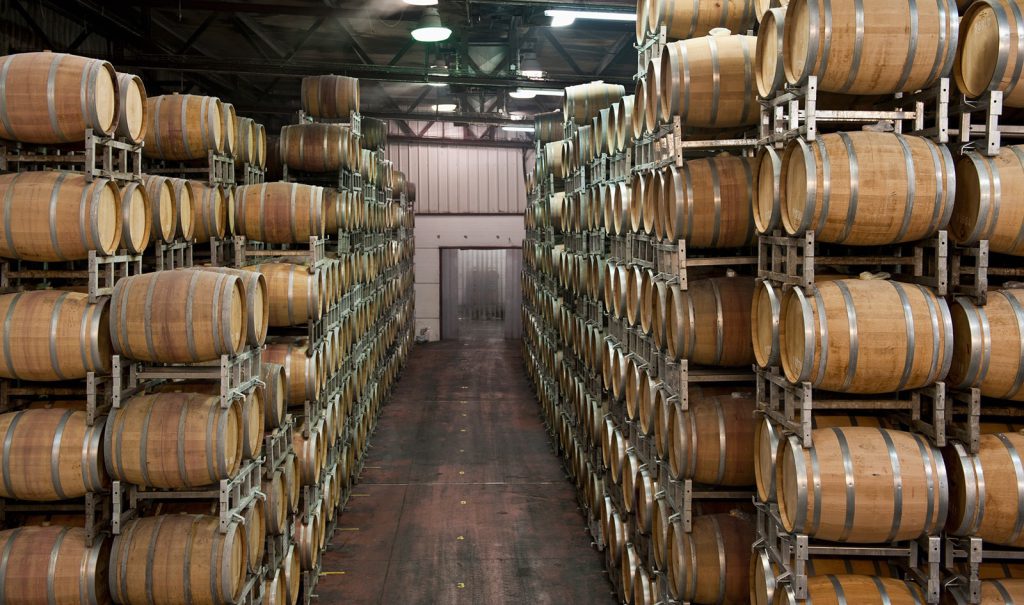
It takes time to produce. A whisky cannot simply be manufactured overnight when demand increases. Depending on the type of whisky and the investment itself, maturation can take years or even decades. Certain distilleries may also produce limited quantities, while discontinued releases become increasingly difficult to source as existing bottles are bought by collectors.
Additionally, some of the most desirable bottles are no longer available directly from the distillery, meaning collectors have to look to auctions and specialist dealers to acquire them. The same principle can apply to whisky casks, where age, distillery, production volume and provenance can all influence demand.
But scarcity on its own doesn’t necessarily make something a good investment. There needs to be a market for the asset in the first place.
A bottle might be old, for example, but if there is little interest in the particular expression or distillery, age alone will not necessarily translate into a higher value. Understanding what collectors actually want is therefore an important part of navigating the market.
Whisky isn’t a single investment
It is also worth remembering that “whisky investment” covers a fairly broad range of opportunities.
Buying a rare bottle at auction is very different from purchasing a cask with the intention of holding it while it matures. The two can involve different costs, timeframes, storage arrangements and routes to market.
For someone buying bottles, condition and provenance can be particularly important. Labels, seals, packaging and evidence of authenticity can all have an impact on desirability, particularly at the higher end of the market.
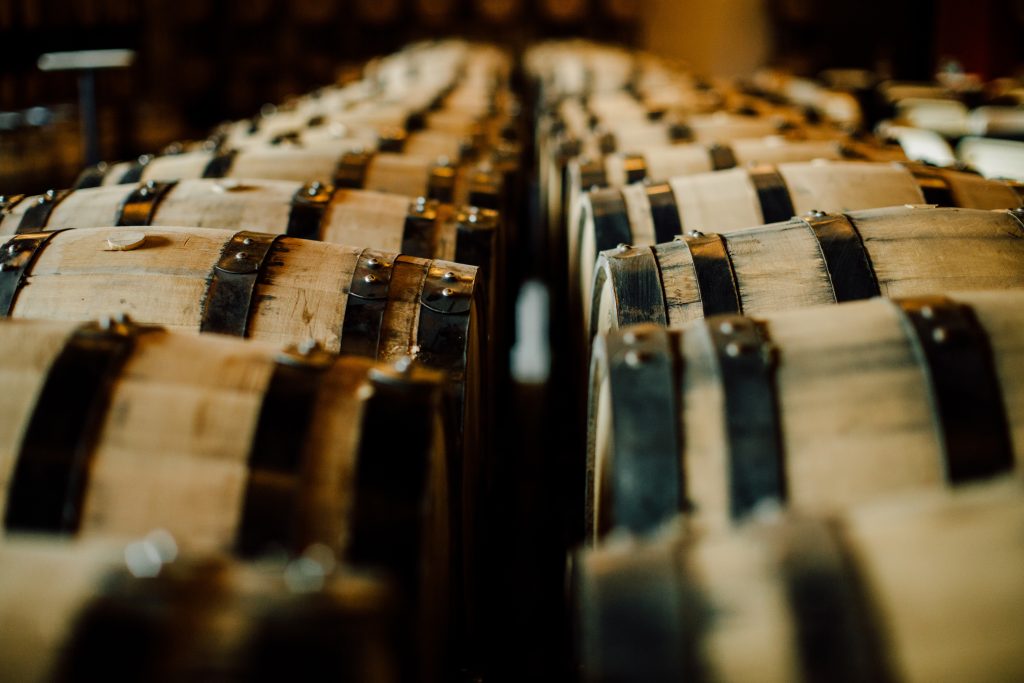
Cask investment introduces another layer of considerations. The whisky needs to be stored appropriately and ownership needs to be clearly documented. There can also be additional costs associated with storage, insurance, bottling and eventually bringing the product to market.
The influence of luxury and celebrity brands
The SirDavis example also highlights another development within the market. Whisky is increasingly being positioned as part of the broader luxury sector.
For established distilleries, heritage and craftsmanship have traditionally been central to their appeal. Newer brands, meanwhile, can build value around a combination of provenance, design, storytelling and the profile of the people behind them.
That doesn’t necessarily make one more valuable than another, but it does demonstrate how varied the whisky market has become. A brand with a strong following may generate considerable consumer demand, while a rare bottle from a historic distillery may appeal primarily to specialist collectors. Investors therefore need to understand what is driving interest in a particular asset rather than assuming that the wider growth of the whisky market will automatically benefit everything within it.
A longer-term perspective
Whisky is unlikely to suit anyone looking for a straightforward, short-term investment. There is no live share price to follow and no guarantee that an asset can be sold quickly at the price an investor expects. Values can be influenced by changing tastes, economic conditions, auction demand and the reputation of individual brands or distilleries.
This is one reason research is so important. The UK Investor Magazine highlights the need for investors to carry out appropriate due diligence before committing money to whisky. Establishing who actually owns an asset, checking documentation and understanding how it is being stored are all important considerations.
For investors who are prepared to take the time to understand the market, however, whisky offers something quite different from traditional financial assets. It is tangible, has a long-established collector community and has developed a global market around some of its rarest and most desirable expressions.
An interesting part of the alternative investment market
The growing interest in whisky sits within a much wider trend towards alternative assets, from fine art and wine to rare gemstones and other collectibles. That doesn’t mean whisky should be viewed as a guaranteed route to returns. Like any investment, it carries risk, and specialist markets can be particularly difficult to assess without the right knowledge and professional guidance.
What makes the sector interesting is the combination of factors behind its value. Time, scarcity, provenance, reputation and consumer demand can all play a part, and those factors can change considerably from one bottle, cask or distillery to another.
For now, whisky remains a specialist market rather than a mainstream investment class. But as interest from collectors, luxury groups and investors continues to grow, it is becoming an increasingly prominent part of the conversation around alternative investments.
For anyone considering entering the market, understanding what they are buying, why it has value and how they may eventually sell it is just as important as the potential return.
References
- This Is Money; Beyoncé buys control of whiskey brand SirDavis from LVMH
- UK Investor Magazine; Due Diligence for UK Investors: Key Checks Before Committing to Whisky Investment
- Luxury London; Whisky Investing: The Trend Towards Whisky as an Alternative Asset