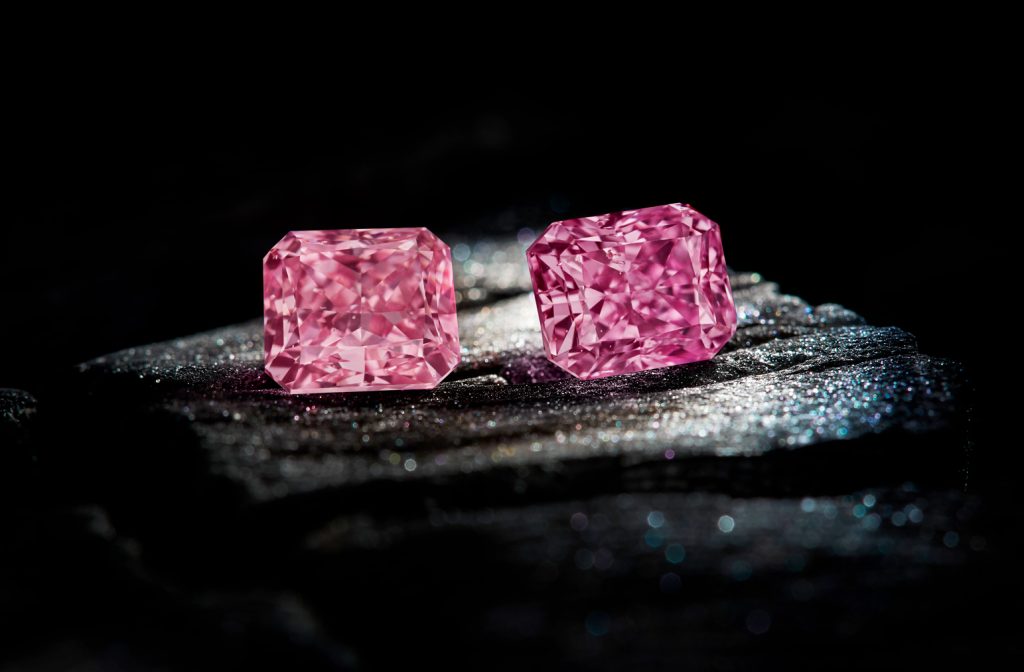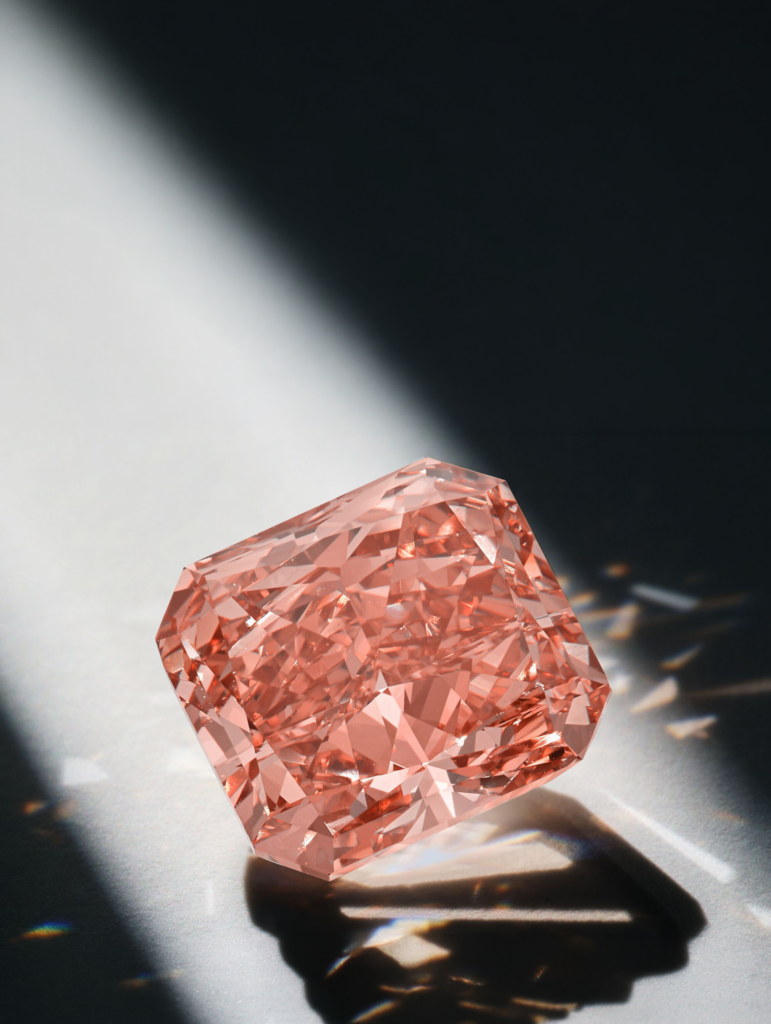
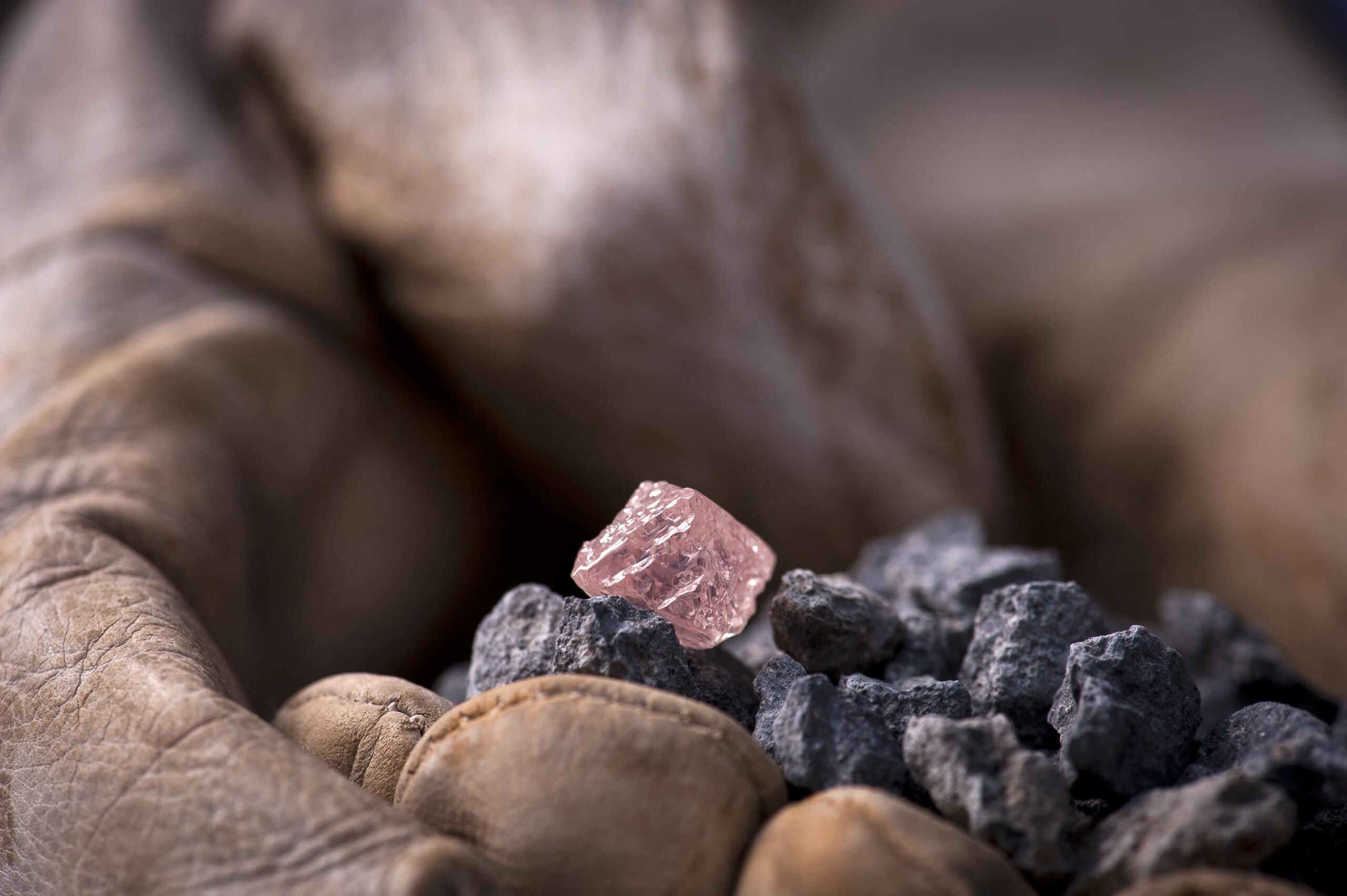
For decades, gold has been regarded as one of the classic ways to preserve wealth. But for investors looking beyond traditional commodities, another asset has been attracting attention, rare pink diamonds.
Unlike gold, which is traded globally in large quantities, the supply of naturally occurring pink diamonds is exceptionally limited. This scarcity, combined with strong demand from collectors and high-net-worth buyers, has helped some of the world’s rarest stones achieve extraordinary prices.
The appeal is not simply about their colour or beauty. For investors, it is the combination of rarity, portability and finite supply that makes these diamonds an interesting alternative asset.
A market built on scarcity
Pink diamonds have long occupied a special place within the diamond market, but their investment credentials became even more apparent following the closure of Australia’s Argyle mine in 2020.
Located in Western Australia, Argyle was responsible for the vast majority of the world’s supply of pink diamonds. Although the mine produced large quantities of diamonds overall, only a tiny proportion were pink, and the most intensely coloured stones were particularly scarce.
With Argyle now closed, there is no comparable new source of these diamonds entering the market.
That does not necessarily mean prices will continue rising indefinitely, but it does create a very different supply dynamic from many traditional investments. Existing stones cannot simply be replaced by increasing production when demand rises.
Some stones command extraordinary prices
The value of a pink diamond depends on a combination of factors, including colour intensity, size, clarity and overall rarity.
The most valuable stones can command prices far beyond those of conventional white diamonds. Some have achieved millions of pounds at auction, while particularly exceptional examples have become famous in their own right.
The Pink Star, a 59.60-carat vivid pink diamond, sold for more than $71 million at auction in 2017, setting a record for any gemstone at the time.
Other notable pink diamonds have also attracted significant attention from collectors, demonstrating how the very top end of the market can operate quite differently from the wider diamond trade.
For investors, this highlights an important distinction. Buying a rare pink diamond is not simply a matter of purchasing a gemstone and waiting for its value to increase. The characteristics of the individual stone are fundamental to its potential market value.
Why investors are looking beyond traditional assets
Alternative investments have become increasingly interesting to some investors seeking assets that behave differently from shares and bonds.
Tangible assets such as art, watches, classic cars and rare gemstones can offer exposure to markets that are not directly tied to conventional financial markets.
Diamonds also have practical characteristics that can appeal to investors. A valuable stone is highly portable and does not require the physical space associated with other collectible assets.
However, these advantages come with limitations.
Unlike publicly traded investments, there is no continuously quoted price for an individual diamond. Valuations can vary depending on the stone’s characteristics, certification and the prevailing appetite among buyers. Selling can also take considerably longer than selling a listed financial asset.
This makes rare diamonds a specialist market rather than a straightforward alternative to cash, equities or other conventional investments.
A market where rarity matters
Perhaps the biggest factor behind the interest in pink diamonds is the simple fact that genuinely exceptional stones are difficult to find.
The closure of the Argyle mine has made the supply of new pink diamonds even more constrained, while existing stones remain in private collections, investment portfolios and jewellery.
That creates a market in which provenance and quality can be particularly important.
For collectors and investors with an understanding of the market, the attraction is clear. A rare pink diamond is both a physical object and a scarce natural resource, with the potential to hold significant value in a relatively small package.
But as with any alternative investment, rarity alone does not guarantee a return.
An investment for the specialist market
Pink diamonds are unlikely to replace gold or traditional investments for the majority of investors. They are difficult to value, less liquid than mainstream financial assets and require specialist knowledge.
For those who understand the market, however, they represent an intriguing example of how wealth can be held outside traditional financial assets.
With the world’s major source of pink diamonds now closed, attention is increasingly focused on the stones that already exist. As exceptional examples become harder to source, the market will continue to be watched closely by collectors, dealers and investors alike.
For now, the story of pink diamonds is ultimately a story of scarcity. And in a world where investors are increasingly looking for assets that are genuinely finite, that is a characteristic that continues to attract attention.
References
- CEO World; Gold Meets Its Match: Why Ultra-Rare Pink Diamonds Are Winning the Luxury Investment Game
- This Is Money; Pink diamonds aren’t forever: End of an era as last precious stones from top Australian mine go under the hammer
- ABC;Pink diamond collection set to fetch millions with rush to invest following Argyle mine closure
- Forbes; New Fintech Offers Rare Pink Diamond To Retail Investors For $200 Per Share
- BBC; Rare, ancient and pink. The world’s most valuable diamonds
- Telegraph; Rare pink diamonds are ‘safe haven’ investment for super-rich